Trip to Penang, Malaysia
A travel destination with diverse ethnic integration
On our way back from the Ansa Teluk Bahang Resort to Gurney Plaza by Grab, we planned to buy some souvenirs to take back to Shanghai. The Grab driver who picked us up was a Malaysian Chinese man in his fifties. His car was clean, and he chatted with us in somewhat broken Mandarin.
"Why did you choose to visit Penang?" he asked curiously.
"Three of my colleagues recommended Penang," Nuonuo replied. "One German colleague even sold his house in Germany to buy property here for retirement. He thinks Penang is international, has a good environment, and offers a relaxed lifestyle. Two other Chinese colleagues said you can experience being abroad here without a language barrier, and the cost of living is affordable."
The driver nodded and then asked somewhat eagerly, "So, what are your impressions of Penang these past few days?"
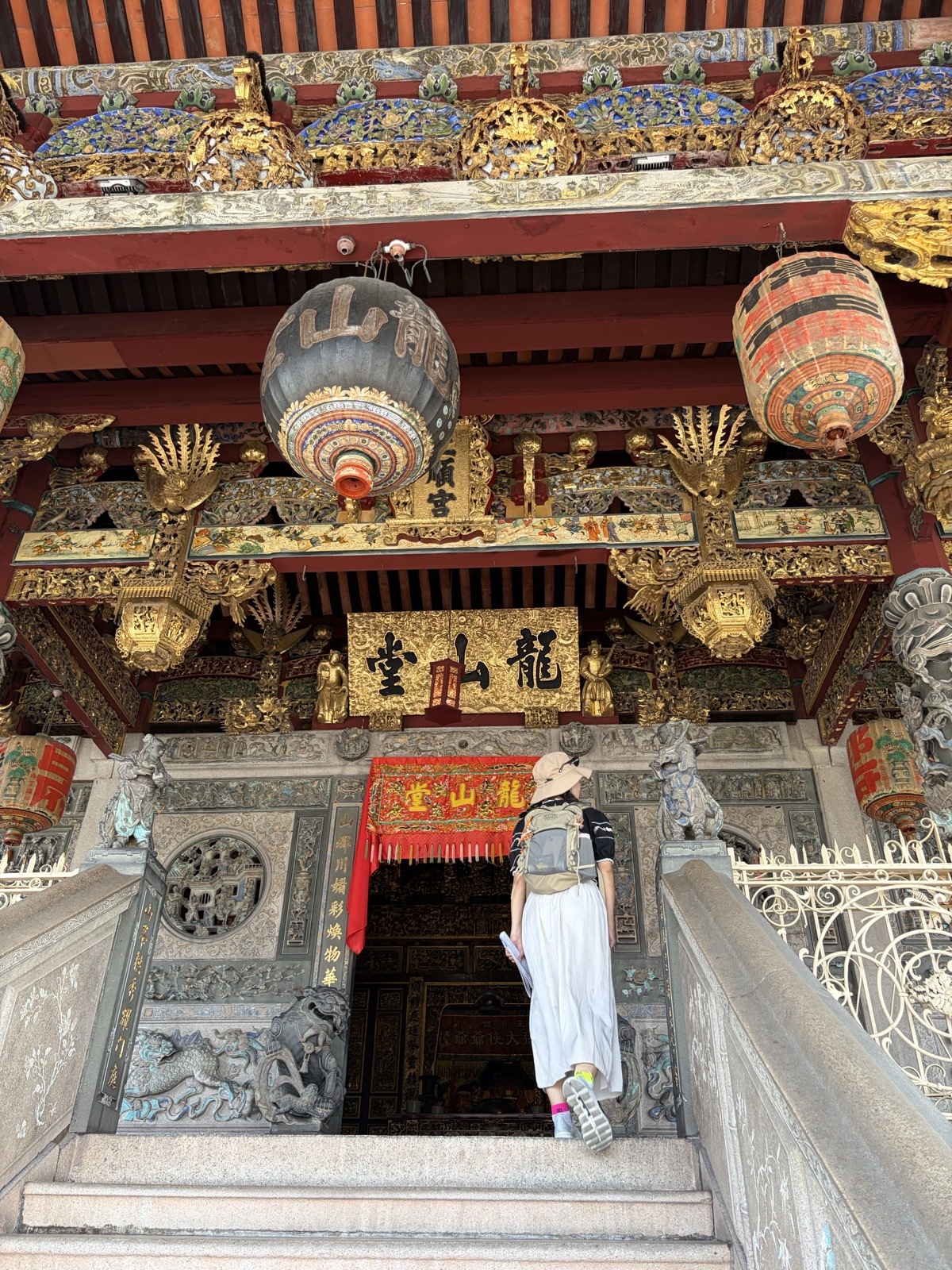
I'm from Fujian, and Penang feels familiar to me. "The day before yesterday, we went to Penang Hill. At the hilltop market, we had seafood fried noodles at a Muslim stall, and the flavor was very similar to what I have at home. What left a deeper impression was that small market on Penang Hill, where you could see people from various religions and ethnic groups—Western hikers, Chinese, Indian faces, and Muslim women in black headscarves. At the summit, there's a vividly colored Hindu temple, a minimalist white-walled mosque with a spire, the Buddhist Kek Lok Si Temple and Kuan Yin Temple, as well as clan ancestral halls at the foot of the hill. This kind of diversity is rare on other hiking trails."
"You went to Penang Hill? My home is near there too," the driver said. "The largest ethnic groups in Malaysia include Chinese, Indian, and Malay. In the east, there are also indigenous peoples like the Ibans, Kadazans, and Dusuns. Different ethnic groups have different customs—Indians don't eat beef, Hui people and Muslims don't eat pork, and many Buddhist Chinese also avoid beef. To avoid taboos, the hilltop market mainly sells halal food."
"No wonder we only saw seafood noodles and rice dishes on the hill," Nuonuo added.
The driver smiled. "I'm glad you noticed these things. I believe people of all ethnicities could live in harmony; it's just that politicians, for their own and their group's interests, stir up discord. Did you enjoy hiking on Penang Hill?"
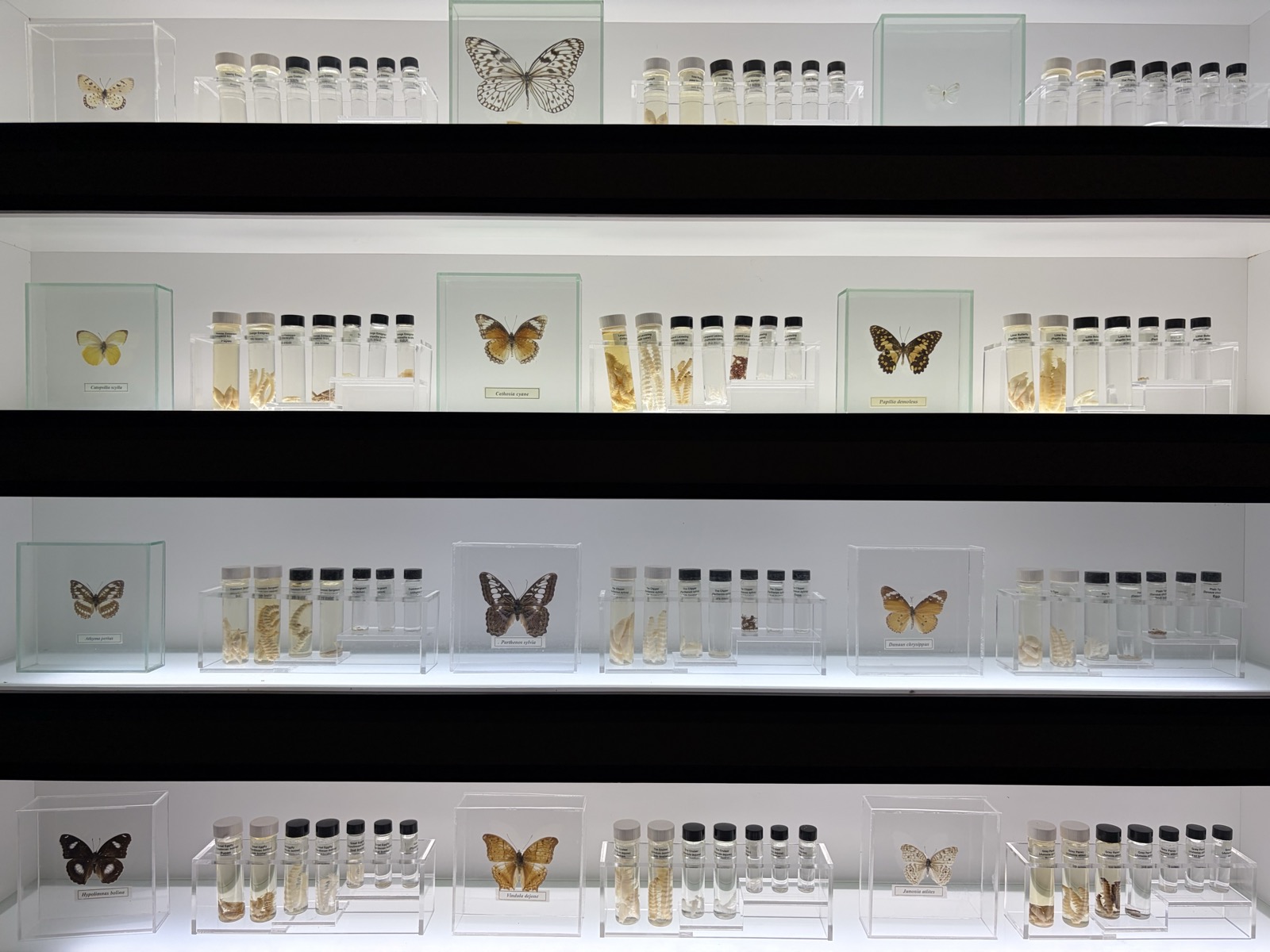
"We really enjoyed the rainforest hiking," I said. "We climbed Penang Hill and visited the National Park. The surroundings are very natural, with towering trees, and we saw various animals in the forest—monkeys, large and small squirrels, monitor lizards, as well as millipedes, centipedes, giant carpenter ants... We only learned the names of many of these animals after visiting the Entopia insect park."
"I'm really happy you had these unique experiences. Do you have any suggestions for Penang? I can provide feedback to the authorities to improve everyone's travel experience," the driver asked sincerely.
"The first is that crossing the road is too difficult," Nuonuo said. "We often walked for a long time without seeing a crosswalk, and cars and motorcycles drive very fast. Another thing is that many people want to go on city walks, but the streets are bare, with no shade from trees. Some five-foot ways could provide shade but are privately occupied by businesses or lined with parked cars, making them impassable."
"These are indeed areas that need improvement," the driver said. "Many roads in Penang were designed for residents with cars. Now that there are more tourists, we really need to consider these issues more."
"However, we also noticed that many businesses accept Alipay, which is very convenient for us. Back in China, we hardly use cash anymore, and we worry about credit card fraud when traveling. The food in Penang is also amazing. We ate three meals in a row at an inconspicuous temple near the National Park—steamed pomfret, grilled stingray, and seafood rice noodles, all of which were delicious!" As we spoke, we asked, "Have you ever visited mainland China?"
"I'm a third-generation Malaysian here. My ancestors came from Tong'an in Xiamen. I haven't been back yet. I've heard that Tong'an has developed better than Penang, and I've always wanted to visit. But I prefer history and culture, so if I go back, the first place I'd want to visit is Nanjing, to see the Memorial Hall of the Victims of the Nanjing Massacre—my friend went and was deeply moved. Other places include Xi'an and Beijing. I also want to ride the high-speed rail. I've heard that development in China is very fast, and the high-speed trains are stable and fast. I really want to take the Beijing-Shanghai line."
"What about your children? Do they want to go?" we asked.
"They do, but they want to go to Chongqing to see the subway passing through buildings and the winding roads. They use Xiaohongshu and Douyin every day."
As we spoke, the car arrived at Andaman Island, an artificial island under construction, with Gurney Plaza's Raffles ahead. "When I was young, this whole area was a beach. Penang is small and needs land reclamation. I understand that businessmen need to do business. Now, development here is very fast. Maybe the next time you come, it will be a completely new scene."
I nodded, remembering a Malay Grab driver we had a few days ago, around the same age as this driver. He said, "When I was young, this whole area was a beach, and I often played by the shore. Humans have destroyed the environment, and it rains less and less here now." His words carried a hint of sadness.
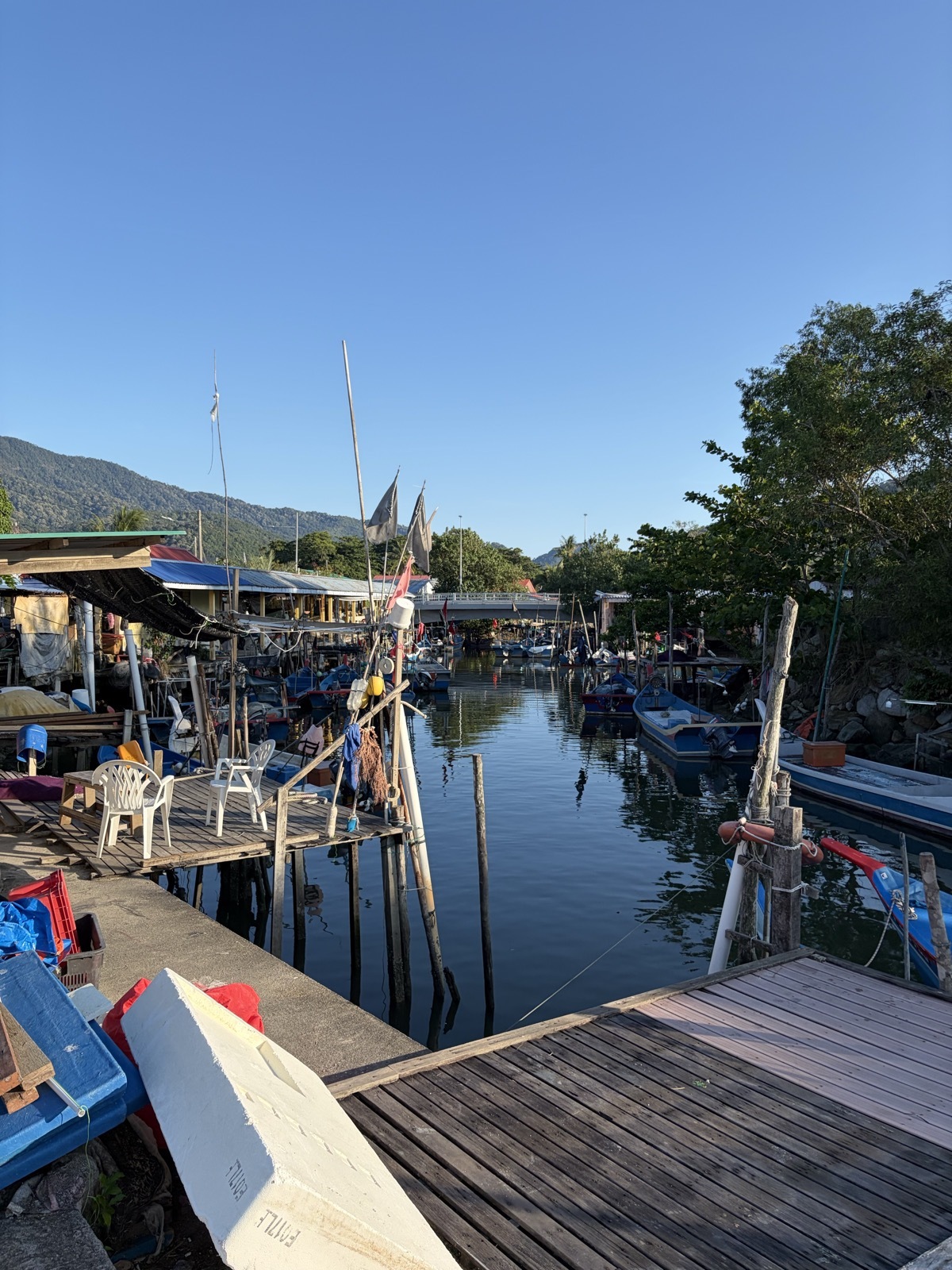
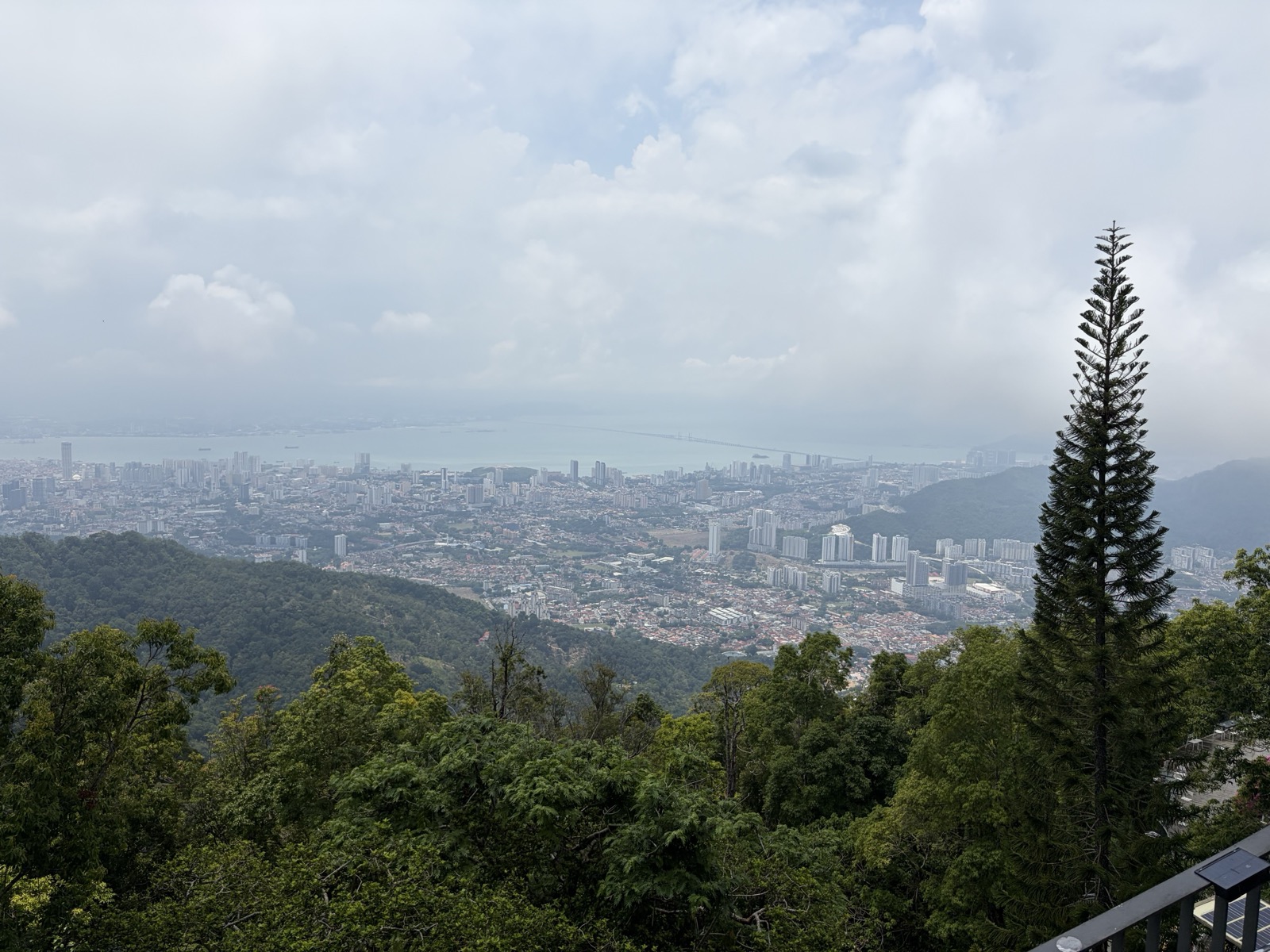
I didn't know how to evaluate the perspectives of the two drivers. But staying here these past few days made me experience that the Gurney Beach area, predominantly Chinese, is developing rapidly, with high-rises and shopping malls thriving. The running paths along the beach are smooth, and the port is filled with yachts and bars. Meanwhile, Teluk Bahang, with its predominantly Malay indigenous residents, remains natural and原始, with the insect park, spice garden, low-rise residential houses, and the National Park blending together harmoniously.
Nuonuo asked me which I preferred, Gurney Bay or Teluk Bahang?
I couldn't answer. Development is like the tide, always changing the shape of the beach. But on this island, twice the size of "Little Xiamen," there seems to be a stubborn force maintaining a delicate balance between skyscrapers and rainforests, prosperity and wilderness, aspirations for the future and sighs for the past.